
Top Vet Questions about Hip Replacement Options
1. When is THR indicated?
Total hip replacement (THR) is used for dogs and cats of all ages. The THR procedure is most commonly performed for hip dysplasia and degenerative osteoarthritis conditions. Less common conditions that can also be well managed by a THR procedure include traumatic coxofemoral luxations, developmental anomalies, femoral head or acetabular fracture malunions, avascular femoral head necrosis, and feline capital physical separations. Essentially, any patient (feline or canine) experiencing joint pain affecting their comfort, mobility, and quality of life may be a candidate for this procedure.
The common clinical signs of a painful hip due to dysplasia or OA can include:
- Limping, stiffness, and difficulty walking, rising, jumping, running, climbing stairs, or squatting
- Avoiding physical activity; lying down or sitting during exercise
- Decreased range of motion – especially hip extension and abduction
- Muscle atrophy in the rear limb(s)
- Increased muscle bulk in the forelimbs
- Weight shifts
- A “bunny-hop” gait
- Tarsal joint hyperextension (young dogs)
- Pain on manipulation of the hip joint
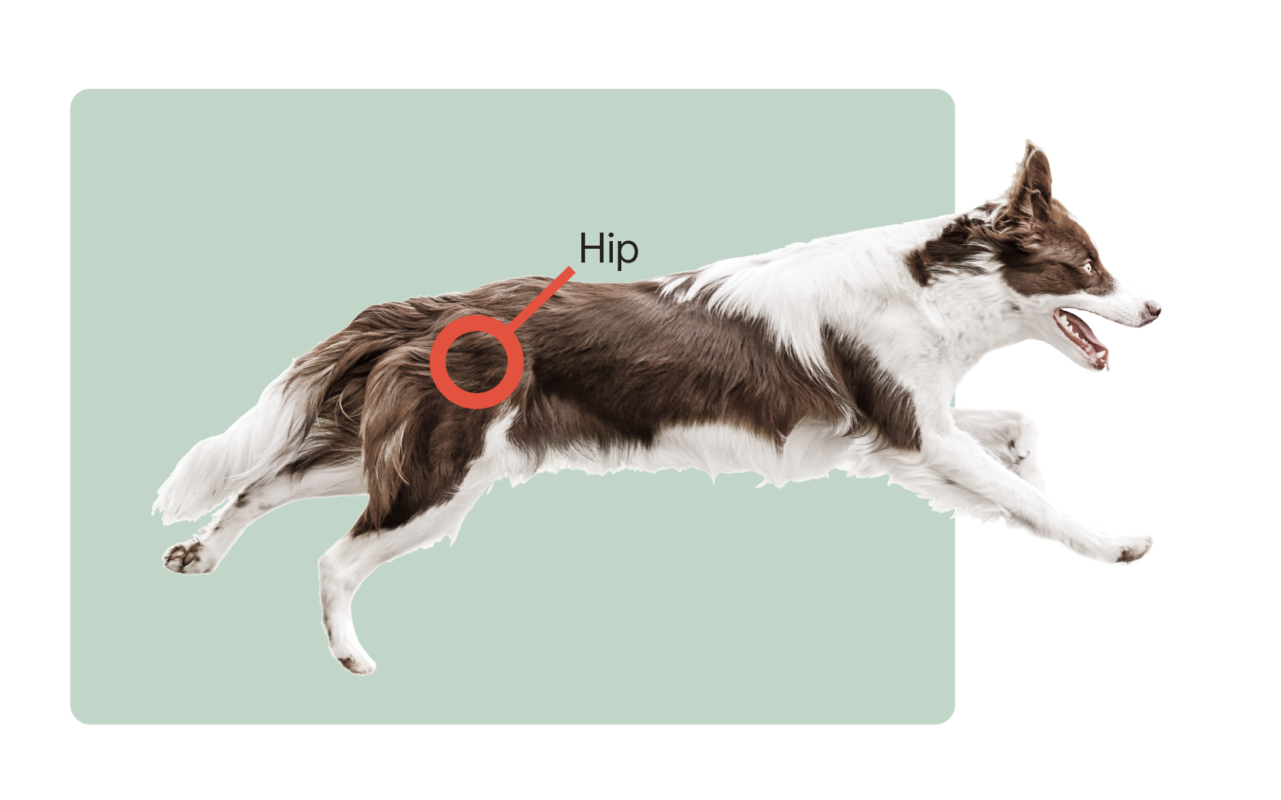
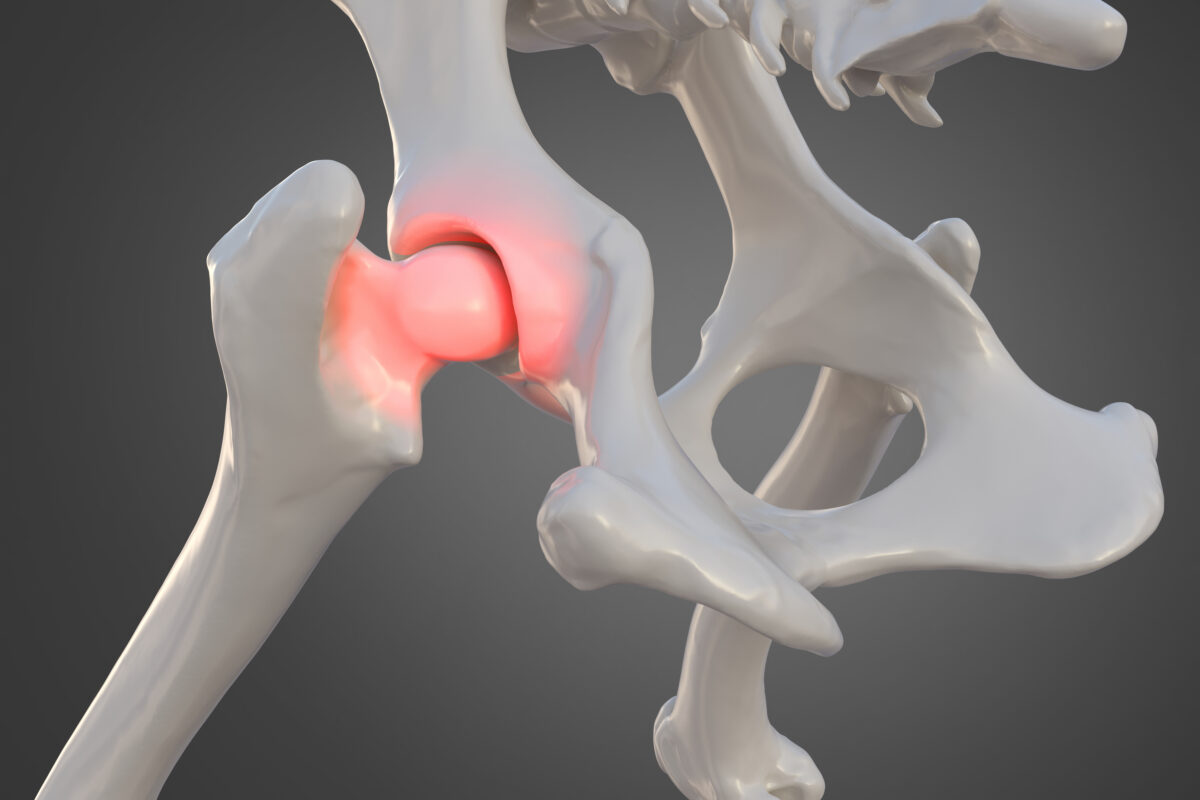
The degenerative bony remodeling changes and soft tissue adaptations that can occur in young dogs with severe dysplasia can be dramatic. Earlier surgical intervention may be indicated versus waiting until the patient is older. A THR procedure can be performed as early as seven months of age. Most commonly, we see the THR procedure being applied to young dogs, 9–12 months of age, with severe dysplasia disease, and young to middle-aged adults with significant osteoarthritis. If your patient has significant hip pain and poor function, early referral to a surgeon for a consultation to learn about treatment options is a best practice approach. The THR procedure is highly successful at restoring normal joint function and eliminating pain and should not be reserved until the patient is geriatric with advanced hip disease.
2. What does the THR procedure entail?
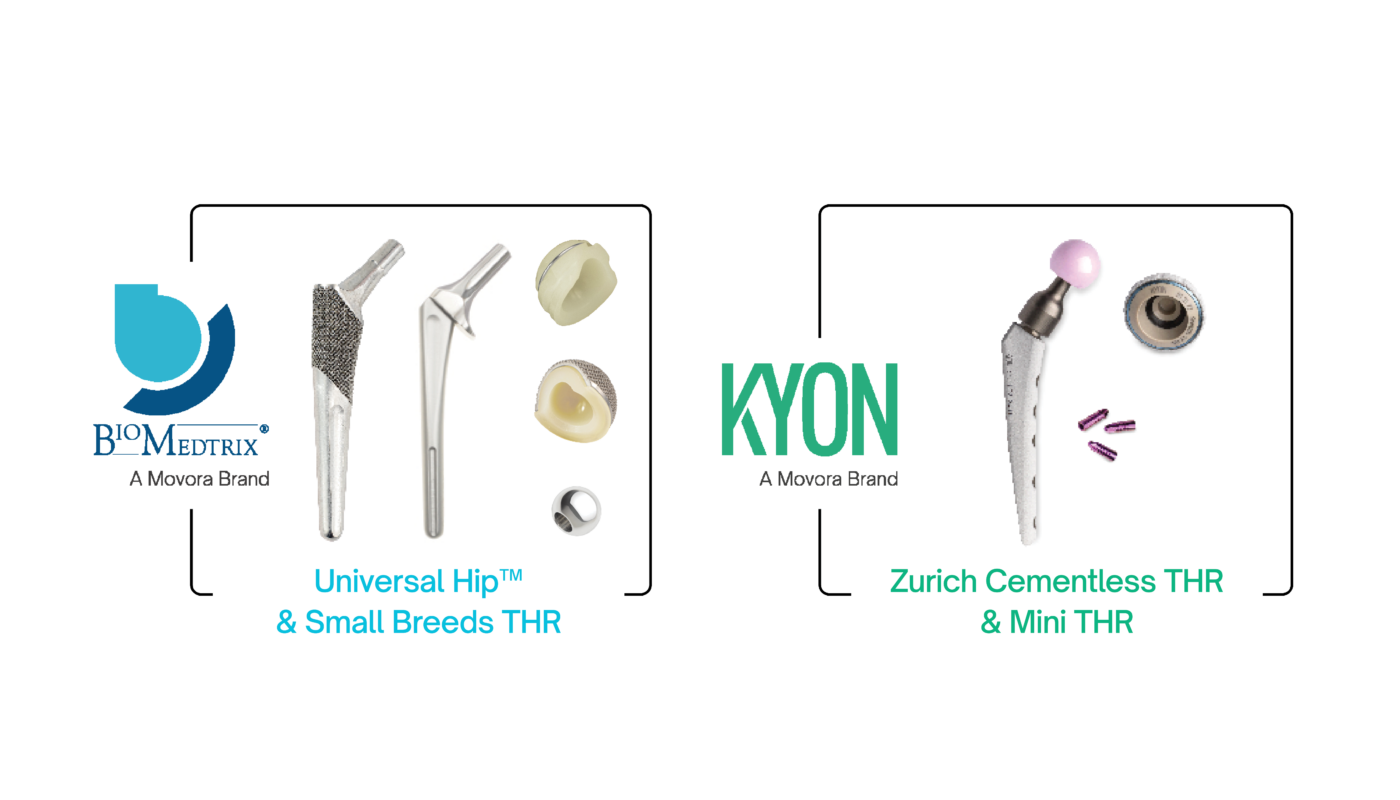
During surgery, the damaged joint structures are replaced with an artificial cup, femoral stem, and femoral head implants, specific to the needs of the patient. The acetabular cartilage is removed, and the new acetabular cup is positioned into the acetabular bone. The patient’s femoral head is removed, the femoral canal is prepared, and a metal femoral stem is inserted into the canal. A specifically sized femoral head is then added to the stem to complete the joint reduction. Cemented and cementless acetabular and femoral implants are used, depending upon surgeon training and skill and patient factors.
3. What are the complication rates for THR?
The typical overall complication rate following a THR varies with patient factors and surgeon skill and expertise. The more commonly reported complications include postoperative luxations (often associated with a fall or excessive activity during the first 2–3 weeks following surgery), femoral fissure or fracture, sciatic nerve neuropraxia, and infection. Most surgeons report an overall average complication rate of 5–10% (1). The majority of complications are manageable, but may require additional surgery and incur associated costs. As with any surgical procedure, anesthesia can pose some risks.
4. Why is THR better than medical management for treating hip dysplasia and other hip-related conditions?
Medical therapy may be effective for some patients but can have limitations and is not without some potential risks. Medical therapies are aimed at reducing the symptoms of joint pain, but do not address the underlying disease. Over time, osteoarthritis is expected to be progressive, resulting in a loss of joint function, reduced patient mobility, and worsening discomfort. It requires the pet parent to comply with lifelong and potentially costly medications, diet recommendations, and therapies. Certain patients may be difficult to effectively treat medically, such as cats and patients with underlying comorbidities. THR surgery is typically a one time procedure that restores a pain-free joint with normal function. After a complete recovery, patients can resume regular activities, even return to agility, work, and sporting activities. Over the lifetime of a patient, the cost difference between a single surgical procedure and a lifetime of medical therapies may be comparable.
5. Are there other surgical options for these conditions and why is THR better?
There are two other surgical treatment options for hip dysplasia and other hip-related conditions:
- Double or triple pelvic osteotomy (DPO/TPO): In this procedure, the pelvis is cut in two (DPO) or three (TPO) locations to laterally and ventrally rotate the acetabular segment to improve the overall coverage of the femoral head and stability of the coxofemoral joint. It is only an option for young dogs (usually <10 months of age) where the joint structures are near normal, there is limited to no evidence of degenerative osteoarthritis, and the severity of subluxation is not extreme.
- Femoral head ostectomy (FHO): This procedure converts the bony “ball-and-socket hip joint” to a muscular joint or pseudoarthrosis. Although relatively simple to perform, it should be considered a salvage procedure and reserved for patients where this is the only option for addressing an abnormal hip joint. Studies have confirmed that return to function following an FHO is not guaranteed. Recovery can take several weeks and often results in significant limb shortening, loss of hip joint range of motion, persistent muscle atrophy, and persistent hip pain (1,2,3).
THR is regarded as the gold standard treatment because it restores normal function to the hip joint and alleviates the pain and discomfort associated with hip dysplasia, osteoarthritis, and other hip conditions. More than 90% of dogs undergoing THR are expected to regain normal function and maintain it for the rest of their lives (4).
A comparison chart of these treatment options can also be found here.
6. How long do THR implants last?
With advances in technology and techniques, today’s THR implants are designed to last for the lifetime of the pet. Learn more about these advances here.
7. How difficult is recovery from THR and what does
aftercare involve?
Total hip replacement has evolved significantly since it was first introduced in veterinary medicine during the 1970s. A dog or cat typically will be hospitalized for 1–3 days after THR surgery. Pets usually can begin putting weight on their new hip on the day of surgery and use their leg quite well within two weeks. Postoperatively, pet parents will need to provide medications (antibiotics and pain relief) and strictly control their pet’s activities. Activity restrictions are significant during the first 6 weeks of recovery. Confinement to a safe space with a non-slip
floor (large crate, pen, or small room), minimal stairs, and direct supervision for all outside walking activities will be required. Exercise is leashed only with a gradual increase in duration of walks between 6-12 weeks of recovery. Most pets are ready to resume regular activities after 12 weeks.

8. How do I find a qualified THR veterinary surgeon for patient referrals?
Patients you suspect may be a candidate for THR will be best served by a veterinary surgeon with specific orthopedics expertise and experience in THR.


Sources
1 Duff R, Campbell JR: Long term results of excision Arthroplasty of the canine hip. Veterinary Record, 101, p181-184, 1977
2 Off W, Matis U: Excision arthroplasty of the hip joint in dogs and cats. Clinical, radiographic and gait analysis findings from the Department of Surgery, Veterinary Faculty of the Ludwig-Maximilians-University of Munich, Germany. Vet Comp Orthop Traumatol, 5, p 297-305, 2010
3 Engstig M, Vesterinen S, Morelius M, Junnila J, Hyytiäinen HK. Effect of Femoral Head and Neck Osteotomy on Canines’ Functional Pelvic Position and Locomotion. Animals (Basel). Jun 24;12(13), 1361: 2022
4 Allaith, S., Tucker, L. J., Innes, J. F., et al. Outcomes and complications reported from a multiuser canine hip replacement registry over a 10-year period. Veterinary Surgery. 2022;1–13. doi:10.1111/vsu.13885